What Is the Function of Fuel Injection Pump?
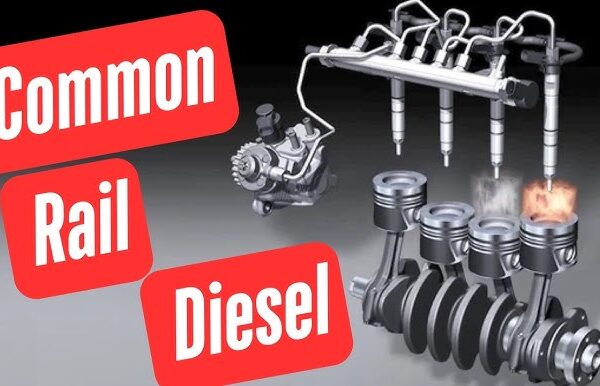
The injection pump is a fuel injection system component comprising sensors and control units. The accompanying parts of the injection system regulate the fuel pressure, injection timing, and duration of the fuel delivery.
To define the fuel injection pump function, one must know the fuel pathway from the fuel tank through the pump and into the engine’s combustion chambers or go to a company that rebuilt fuel injection pumps.
It involves pressurizing the fuel to high levels, accurately timing its injection to each cylinder, and ensuring precise atomization for efficient mixing with air.
The process of combustion
The combustion occurs in a heavily controlled environment in the engine’s combustion chambers. It is a chemical reaction between fuel and oxygen that releases energy in the form of heat. To achieve effective combustion, the fuel molecules need to get broken down and bond with oxygen molecules.
Successful combustion is when the fuel-air mixture ignites at the right moment, rapidly releasing energy. Effective combustion is also manifested through minimal production of byproducts like unburned fuel and excessive emissions.
The role of fuel injector pump
When the driver presses the pedal, the accelerator signals to the engine control unit that more power is needed. The engine control unit signals the fuel injection pump to increase the fuel delivery to the combustion chambers.
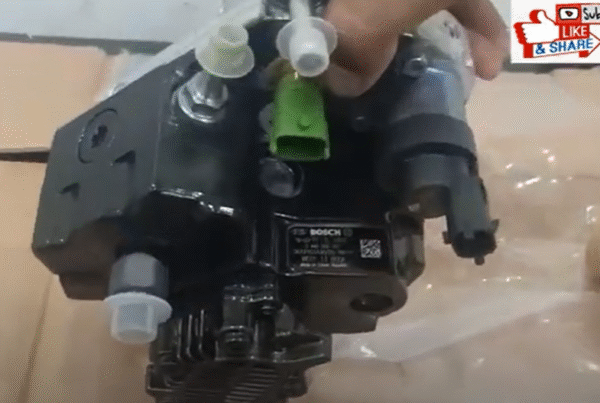
Prompted by the engine control unit, the pump pressurizes the fuel by using its mechanisms and hydraulic forces. The pump’s internal components move to create pressure within the fuel and force it to overcome the resistance in the fuel lines and injectors.
The increased pressure helps turn the fuel into fine droplets to help it mix with air. This process, called atomization, ensures that the fuel will effectively reach its destination.
Injection pump components
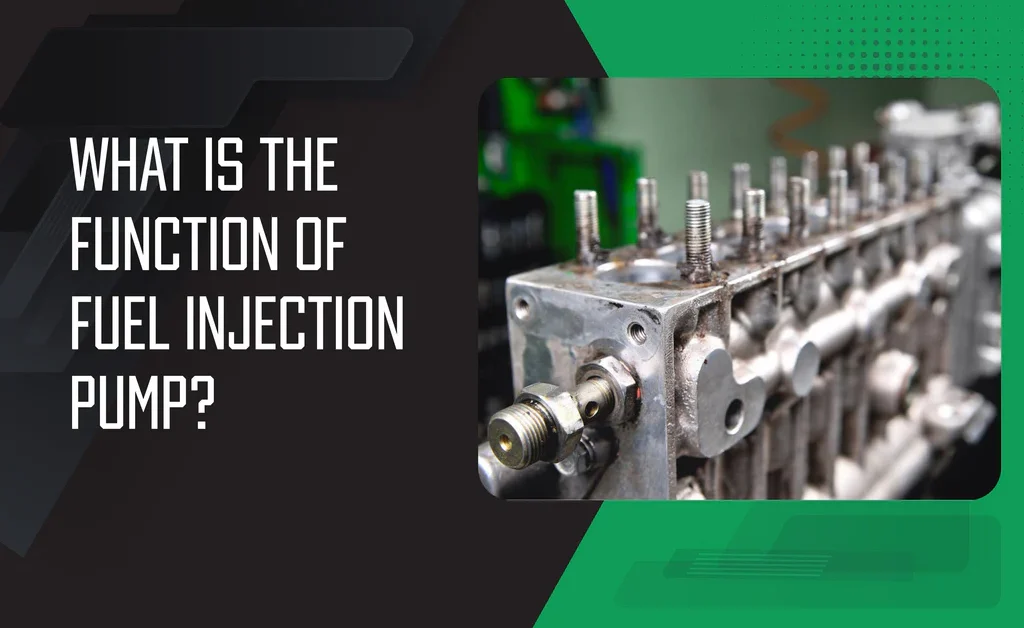
To achieve effective atomization, several pump parts have to work in harmony, including the plunger and the barrel. The plunger moves downward to draw fuel from the supply line and fill the barrel, which increases the pressure.
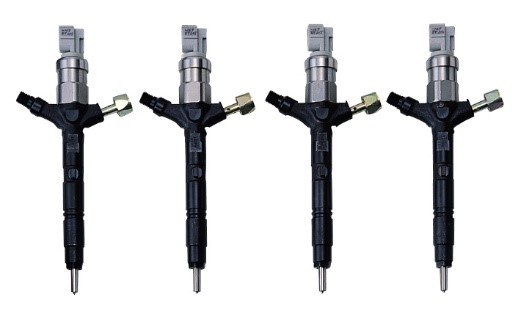
Then, the barrel sends this pressurized fuel through the delivery valves and into the injectors, which spray the fuel in the chambers.
The work of all of these components needs to be completely synchronized; otherwise, it will lead to bad combustion.